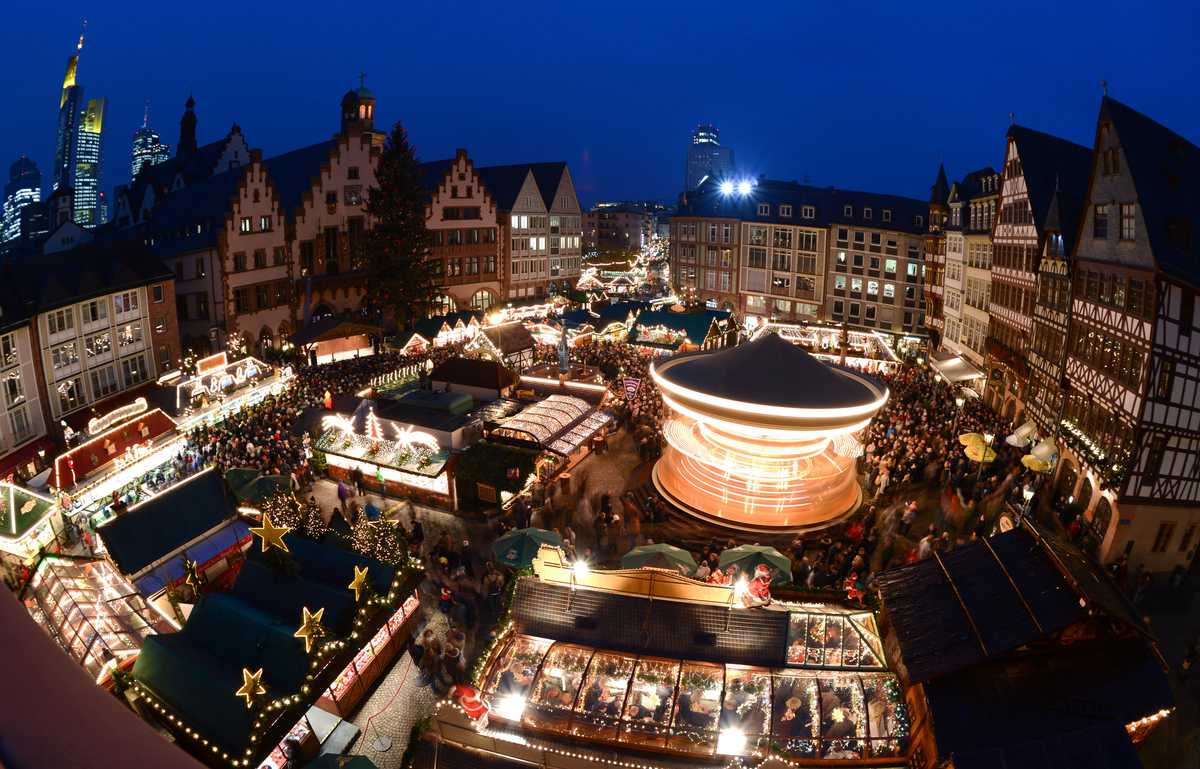
Christmas markets in germany

One of the most charming experiences in Germany is visiting a Christmas market. It may look simple at first: lights, warm drinks, food stalls, and small handmade gifts. But once you spend time there, you understand why many people wait for this season every year.

Why It Feels Special

A Christmas market is not only about buying things. It is a social space. Friends meet after work, families walk together in the evening, and the city feels warmer even when the weather is cold. The atmosphere is relaxed, and people slow down for a while.

What You Usually Find

  • Gluhwein: hot mulled wine that helps a lot in winter.
  • Street food: sausages, roasted nuts, potato pancakes, and sweet pastries.
  • Small handmade items: candles, decorations, ceramics, and gifts.
  • Music and lights: simple details that make the place feel festive.

Why It Matters for People Living Abroad

For someone living far from home, events like this can make a real difference. They create easy opportunities to connect with others without needing a formal plan. You do not need a big budget or a perfect schedule. You just need an evening, a warm jacket, and a few friends.

That is probably why I like this tradition. It reminds me that a good life is not built only around work and productivity. Shared experiences matter too.

A Few Practical Tips

  • Go early in the evening if you want a calmer atmosphere.
  • Bring cash, because some small stalls still prefer it.
  • Dress warmly, especially if you plan to stay for more than an hour.
  • Try local food instead of choosing the safest option every time.

Final Thoughts

The Christmas market is a small part of life in Germany, but it leaves a strong impression. It is simple, human, and full of atmosphere. For me, it is one of those experiences that makes a foreign country slowly start to feel familiar.


About me and my work

I am an engineer who cares not only about building technical systems, but also about building a thoughtful and meaningful professional life. Over time, I have found that software, automation, robotics, writing, and personal growth are not separate interests. They support each other.

My Professional Direction

My work is shaped by a strong interest in software development, DevOps, automation, cloud infrastructure, robotics, and applied engineering. I enjoy understanding how systems behave in practice, not only in theory. That is one reason I like writing technical articles: writing forces ideas to become clearer.

Why I Write

This website is more than a collection of posts. It is a place where I document what I learn, what I build, and how I think. Technical knowledge becomes more valuable when it is shared clearly. Writing helps me slow down, organize what I know, and leave useful material for other engineers.

What Interests Me Most

  • practical software engineering,
  • DevOps and infrastructure automation,
  • robotics and autonomous systems,
  • the relationship between technology and everyday life,
  • continuous personal and professional growth.

Life Beyond Pure Technical Work

I also care about culture, travel, adaptation, and life in Europe. Those experiences shape how I think about discipline, communication, and long-term direction. Engineering is important to me, but so is the broader question of how to live well while doing meaningful work.

Final Thoughts

If there is one idea that connects this site, it is this: growth comes from building, learning, reflecting, and sharing. That is the spirit behind both my technical work and my writing.

Python basics

Python is one of the best languages for people who want to start programming in a practical way. Its syntax is readable, the learning curve is friendly, and it is useful for real work in automation, backend systems, data processing, AI, and scripting.

Why Python Is Good for Beginners

  • The syntax is clean and easy to read.
  • You can write useful programs with very little code.
  • The ecosystem is rich enough to grow with you from beginner projects to production systems.

Variables and Basic Types

Python lets you work quickly with values such as strings, numbers, booleans, lists, and dictionaries.

name = "Thanh"
age = 30
is_engineer = True
skills = ["Python", "Docker", "AWS"]

Conditions

Conditional logic lets a program choose between different actions.

temperature = 18

if temperature < 20:
    print("Bring a jacket")
else:
    print("Weather is comfortable")

Loops

Loops are useful when you need to repeat work across multiple items.

for skill in skills:
    print(skill)

Functions

Functions help organize code into reusable pieces.

def greet(name):
    return f"Hello, {name}!"

print(greet("Engineer"))

A Small Practical Example

The following script checks a list of servers and prints a basic status message:

servers = ["api", "worker", "db"]

for server in servers:
    print(f"Checking {server}...")

It is simple, but this is exactly how many real scripts begin: small automation tasks that later grow into more useful tools.

Final Thoughts

The best way to learn Python is not only by reading syntax rules, but by building small, useful programs. Once you understand the basics, Python becomes a powerful tool you can keep using for many years.