Linkedin tips for landing tech jobs

2020 is a very special year, in this year we learn some new words, bad words: Lockdown, Covid-19, World-pademic, stay at home … It can be said that this is a sad year. But it is also an opportunity for us to give love to other people around us, while looking at ourselves and preparing for the good of 2021.

Branding is time and resource consuming , big companies are trained on it – and they’re good at it. But how do we often use those skills to build our own personal brands? For many of us, we don’t usually get involved in personal branding . And in this post I want to share the 7 steps I take to build personal branding on Linkedin, with hundreds of thousands of others, not just for a good job, but also for personal branding. mine.

We don’t because we are busy and because it can sometimes feel selfish or egotistical to invest time in marketing ourselves. But by ignoring personal brands, we don’t just sell ourselves – we miss a huge opportunity from a marketing perspective. The impact of those who share content is enormous. And the most effective employees sharing are the ones who have built their personal branding on LinkedIn.

Here are 7 profile features you should check out and update for 2020.

1. Choose the right profile picture for LinkedIn
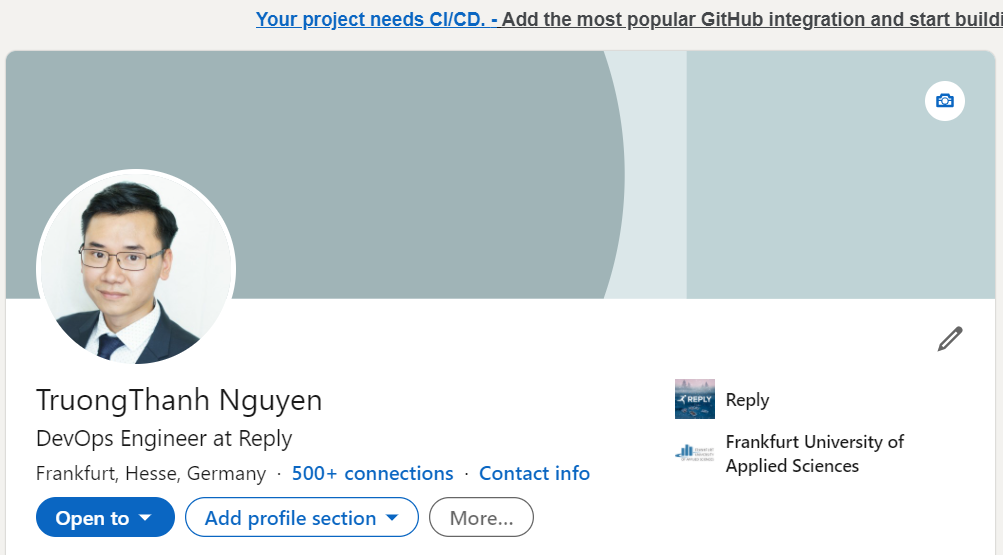
Your profile photo is your business card on LinkedIn – that’s how people are presented to you and (visual creatures are us), it dominates their impression in the first place. There are some great posts explaining how to choose the right profile picture on LinkedIn – but here are some quick tips to get started: make sure that photo is recent and like you, makeup on your face about 60% (long – picture taken horizontally does not stand out), wear what you want to wear to work and smile with your eyes n.

2. Add a background image

Your background image is the second image element at the top of your profile page. It obtained the attention of everyone, put context and show a little more about what’s important to you. More than anything, the right background images help your site stand out, collect the attention and always memorable.

3. Set your title is not just a job title

There’s no rule saying that the description at the top of your resume page is just a job title. Use the title field to say a little more about how you see your role, why you do what you do, and what makes you tick. If you have sales reps at your company who are engaged in social selling, then take a quick look at their profile page titles for inspiration. They will almost certainly have more of their job titles in it.

4. Turn your summary into your story
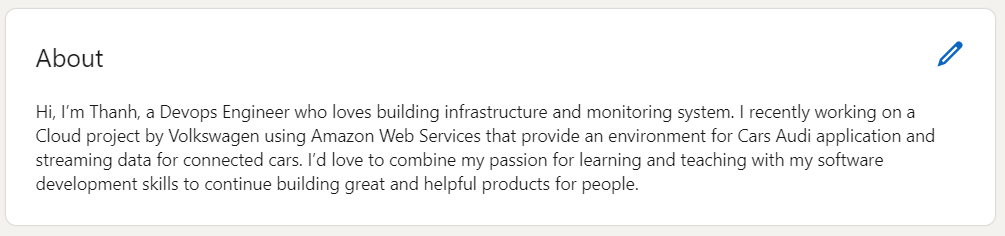
The first thing to say about your LinkedIn summary is – make sure you have one . Your summary is your chance to tell your own story – so don’t just use it to list your skills or job titles you already have. Try to make it descriptive about why those skills are important – and the difference they can make for the people you work with. Don’t be afraid to invest time, try a few drafts and run your summary in front of people you know. This is your most personal piece of content marketing , so speak your own language .

5 . Grow your network

Take advantage of the LinkedIn feature that suggests people you can connect with. It’s amazing how effective this can be at finding relevant people to reach you on , no connection requests being sent without your permission, because So you can check all potential connections. Also, get into the habit of chatting with the LinkedIn connection requirements – it’s a great way to keep your network up and running.

6. Share content related to your work

Your LinkedIn Have a network of connections on LinkedIn, and you have an active role in that network, appearing in the LinkedIn feed of your connections in a way that adds value to them. Sharing relevant content with your network is one of the most accessible ways to do this. You can start by tracking information on linkedin of themselves and share content that you find really interesting position , or related to your industry .

7. Publish long-form content – and use it to initiate a conversation

The more you share and comment on content, the more you will establish your expertise and thought leadership information on LinkedIn. Publish post long form is the next step according to the natural need to take. A great starting point is to track the response you get to your comments and shares. Are there specific topics and perspectives that seem relevant to your network? Is there a comment you shared that you feel would be expandable in a post? Developing your thought leadership in this way keeps it realistic – and keeps you on the lookout for the issues your relationships are talking about. Get ready for your long posts to start new chats. Keep track of comments and be ready to respond.

Make your LinkedIn profile more active so that you don’t have to waste time organizing your resume for a job, getting the recruiter to find you . Try working through these ideas, building from idea to idea – and you’ll find that you can make rapid progress, even if you can only spend a few minutes in lunch break or in the evening. After taking full advantage of your LinkedIn profile, you’ll be amazed at the difference it can make for both you and your business . 

Let 2021 be a new start for you!
Photo by Nicole Michalou on Pexels.com

Building a tech career in europe

A salary target like 70,000 euros per year in IT is possible in Europe, but it usually does not happen by accident. It comes from a combination of technical depth, business value, communication, and market positioning.

1. Focus on Skills That Companies Actually Pay For

Salary grows faster when your skills solve expensive problems. Areas that often have strong demand include:

  • cloud infrastructure,
  • DevOps and platform engineering,
  • backend development,
  • data engineering,
  • security,
  • and applied AI engineering.

2. Build Evidence, Not Only Knowledge

Many candidates say they know Docker, Kubernetes, Python, or Terraform. Fewer can show real projects. A portfolio, GitHub repository, technical blog, or measurable production work can make a big difference.

3. Learn to Communicate Value

Higher salaries are not only for people who write code. They are also for people who explain tradeoffs clearly, reduce risk, improve systems, and help teams deliver faster.

For example, saying:

I built a CI/CD pipeline

is much weaker than saying:

I reduced release time from 2 hours to 15 minutes by introducing automated testing and deployment pipelines

4. Choose Market and Location Carefully

Salary levels vary a lot across Europe. Germany, the Netherlands, Switzerland, Ireland, and some remote-first companies often offer stronger compensation than smaller markets. Company type matters too: product companies and high-impact infrastructure teams often pay more than low-margin outsourcing roles.

5. Keep Improving Your Position

  • Improve English communication.
  • Negotiate based on market data and impact.
  • Switch roles when growth is capped.
  • Develop one strong specialty and one broad supporting skill set.

Final Thoughts

Reaching a stronger IT salary in Europe is usually the result of intentional growth. The goal is not only to know more technology. The goal is to become the kind of engineer who can solve important problems reliably and communicate that value well.

Work-life balance in germany

The issues around finding the balance between family life, private life and work are gaining increased attention in political and business circles in Europe and Germany.

A key issue for many workers is flexible working time in order to have a work-life balance. Negotiating a work/life balance can help enable parents (both men and women) to reconcile their work with their family lives and women in particular to participate in the labour market. Finding the right work-life balance can allow workers to take leave from work so that they can participate in education or training or take up an interest, hobby or leisure pursuit. This may mean that employees can reorganise their working lives and hours around shorter days, weeks, months or years.

German families tend to be small with only one or two children. The men are still quite often considered to be the head of the household, even though both the wife and husband work.

At the turn of the century few employees in Germany were given holidays. In 1902, the metal and brewing industries gave three days annual leave to their workers. It was not until 1974 that the old Federal Republic introduced the statutory minimum holiday of 18 working days which has now risen to a minimum of 24 days. Today most collective wage agreements provide for holidays of six weeks or more and most employers give  holiday pay.

National holidays

Germany has quite generous holidays in comparison to other European countries. There are more public holidays in Germany than in any other European country. On these days, banks and most shops are closed, including supermarkets. However, many restaurants remain open. Public transportation and other services are also available. Many shops and businesses are also closed on Carnival Rose Monday (Cologne and Rhine region), Christmas Eve and New Year’s Eve although these are not official holidays.

Overview of legal holidays:

New Year                
Epiphany                   
Good Friday              
Easter Monday               
Labour Day               
Ascension                  
Whit Monday             
Corpus Christi                       
Assumption Day        
Day of German Unity            
Reformation Day       
All Saints’ Day                       
Penance Day              
Christmas                  
St. Stephen’s Day
01.01
06.01   (celebrated in BW, BY, ST)
around March/April
around March/April
01.05
May
May
May/June (celebrated in  BW, BY, HE, NW, RP, SL)
15.08   (celebrated in  BY, SL)
03.10
31.10   (celebrated in  BB, MV, SN, ST, TH)
01.11   (celebrated in BW, BY, NW, RP, SL
21.11   (celebrated in SN)
25.12
26.12

(Those States where the public holiday applies are shown in brackets; if nothing is indicated the holiday applies to all of Germany.)

Working hours

Opening hours

In Germany, businesses and shops are not legally allowed to stay open as long as they please and there are strict regulations concerning opening and closing hours. The German federal law “Ladenschlussgesetz” (Shop Closing Law) together with individual regulations in different States controls opening hours. Thus supermarkets for example close at 22.00 at the latest and open before 9 a.m. or 10 a.m. On Sundays almost everything is closed with the exception of bakeries and petrol stations.

 Working times

The German Working Time Regulations (“Arbeitszeitgesetz”) regulate working hours on a legal basis. They are based on the European regulation 93/104/EG. In addition, most industries have collective agreements that regulate working hours and holidays. However, it can be said, that a working week of more than 48 hours on average during a  6 month period must not be exceeded. Furthermore, Sundays and national holidays are non-working days.

Working culture

Germans see themselves as modern, liberal and cultured, and working practices are formal and professional. The following outlines the working practices that you should be familiar with before investing in Germany:

  • Though long-term relationships are considered very important, friendships are usually not developed too quickly. It may take some time before personal names are used between non-familial parties.
  • German business culture has a well-defined and strictly observed hierarchy, with clear responsibilities and distinctions between roles and departments.
  • Professional rank and status in Germany is generally based on an individual’s achievement and expertise in a given field. Academic titles and backgrounds are important, conveying an individual’s expertise and thorough knowledge of their particular area of work.
  • An important aspect is Germany’s work ethic. Employees define themselves as part of the corporation they are working for and quickly identify themselves with its product and/ or services.
  • Rank is very important in business. Never set up a meeting for a lower ranked company employee to meet with a higher ranked person.
  • Notwithstanding what has been said previously, today over half of all university graduates are women. Female students are well represented in the professions; they lead in some fields such as medicine and law. The new availability of qualified female graduates is likely to bring great changes in the German workplace of the future.
  • Pay and power inequalities are still present however. Male employees tend to receive higher wages than their female counterparts. Jobs considered as being “women’s work” typically pay less than those deemed “men’s work”.
  • In more traditional companies, it is still generally true that everything is run by committees, things are discussed in great length and risk taking is not as common as in other countries.
  • There is one philosophy for almost everybody in German business: if someone says he is going to do something, he will do it. The same is expected of others as well. Never make a promise that you cannot keep or offer something that you cannot deliver. Germans dislike and do not trust unreliable people.
  • There is no legislated or administratively determined minimum wage. Collective bargaining agreements set minimum pay rates and are enforceable by law for an estimated 80 to 90 per cent of all wage and salary earners
  • Federal regulations limit the working week to a maximum of 48 hours, but collective bargaining agreements may supersede these. Contracts that directly or indirectly affect 80% of the working population regulate the number of hours of work per week.
  • The average working week is around 40 hours; rest periods for lunch are accepted practice. Provisions for overtime, holidays, and weekend pay vary depending upon the applicable collective bargaining agreement.
  • An extensive set of laws and regulations govern occupational health and safety. A comprehensive system of worker insurance enforces safety requirements in the workplace.

It is important that these issues are examined and understood before setting up a company and employing a workforce in Germany. These issues differ all over Europe but legal guidelines are set by the European Commission.

Health insurance

Germany’s health care system provides its residents with nearly universal access to comprehensive high-quality medical care and a choice of physicians. Over 90% of the population receives health care through the country’s statutory health care insurance programme. Membership of this programme is compulsory for all those earning less than a periodically revised income ceiling. Nearly all of the remainder of the population receives health care via private for-profit insurance companies. Everyone uses the same health care facilities.

Living in europe as an engineer

Living in Europe can be a valuable experience not only for travel, but also for professional growth. For engineers, it creates a different view on work culture, quality of life, mobility, and long-term planning.

What Feels Different

  • Mobility: it is easier to visit different cities and countries, which broadens perspective very quickly.
  • Work culture: planning, documentation, and process often receive more attention.
  • Public systems: transport, insurance, and administration can feel strict, but they also teach structure.

Why It Matters Professionally

Living in Europe can improve your career in indirect but important ways. You learn to communicate across cultures, adapt to new systems, and make decisions with limited information. Those skills are very relevant in software and infrastructure work.

What Helps in Practice

  • Keep your paperwork organized from the beginning.
  • Learn enough of the local language to handle daily tasks confidently.
  • Build a steady routine for work, learning, and health.
  • Spend time understanding how local tax, insurance, and rental systems work.

A Balanced View

Life in Europe is not automatically easy. There is bureaucracy, language friction, and sometimes social distance at first. But for many people, the tradeoff is worth it because the environment encourages stability, growth, and independence.

Final Thoughts

For me, living in Europe has been useful not only as a life experience, but as a way to become more disciplined, more adaptable, and more thoughtful about the kind of work and life I want to build.

Life in germany for engineers

Moving to Germany changed more than my location. It changed how I think about work, time, independence, and long-term planning. This post is a short reflection on the lessons that had the biggest impact on me.

1. Time Is Treated as a Real Resource

One of the first things I noticed was how seriously people treat time. Meetings start on time, public services follow clear schedules, and personal commitments are respected. That sounds simple, but it changes your habits very quickly.

In practice, that means:

  • you prepare before meetings instead of improvising during them,
  • you communicate delays early,
  • and you become more realistic when estimating work.

That mindset is very useful in engineering teams. Good planning is not bureaucracy. It is respect for other people's energy.

2. Independence Is a Daily Skill

Living abroad forces you to solve many problems on your own: paperwork, banking, renting, tax forms, insurance, and communication in a second language. At first that can feel stressful. Later it becomes a kind of training.

You learn how to:

  • read official information carefully,
  • ask precise questions,
  • keep documents organized,
  • and handle uncomfortable tasks without waiting for perfect conditions.

That same skill transfers well to software engineering. When production breaks, you rarely have the full answer immediately. You move step by step, reduce uncertainty, and document what you learn.

3. Work-Life Balance Is More Structured

Germany also made me think more seriously about sustainability. Many people work hard, but they do not treat burnout as a badge of honor. Vacation, focused work hours, and recovery time are considered normal and necessary.

For people in IT, this is important. A good engineer is not only someone who can work late. A good engineer can stay consistent for years, learn continuously, and make good decisions under pressure.

4. Small Systems Make Life Easier

Another lesson I appreciate is the value of systems. A calendar, a checklist, a folder structure, a budget sheet, or even a weekly meal plan can remove a lot of mental friction. Germany made me appreciate structure not as something rigid, but as something freeing.

Examples that helped me personally:

  • keeping a simple document checklist for immigration and tax paperwork,
  • tracking learning goals by month instead of by vague intention,
  • planning deep work blocks for coding and writing,
  • and separating urgent tasks from important long-term tasks.

5. Growth Is Often Quiet

Living in another country can feel slow at first. Progress does not always look dramatic. Sometimes growth is simply understanding one more form, having one better conversation, or becoming more confident in a difficult environment.

That idea matters for career growth too. You do not become a stronger engineer in one breakthrough moment. You improve by repeating useful habits: reading documentation carefully, building small projects, reviewing mistakes, and communicating clearly.

Final Thoughts

Germany taught me that a better life is not built only from big ambitions. It is often built from better habits, clearer systems, and more disciplined thinking. For me, that has influenced not only daily life, but also the way I work as an engineer and writer.

Innsbruck: capital of the alps

Starting as a roman army post, moving on as an aristocratic residence city and arranging the Olympic Winter Gems twice! Innsbruck has come a long way and probably can present itself as the capital of the Alps.

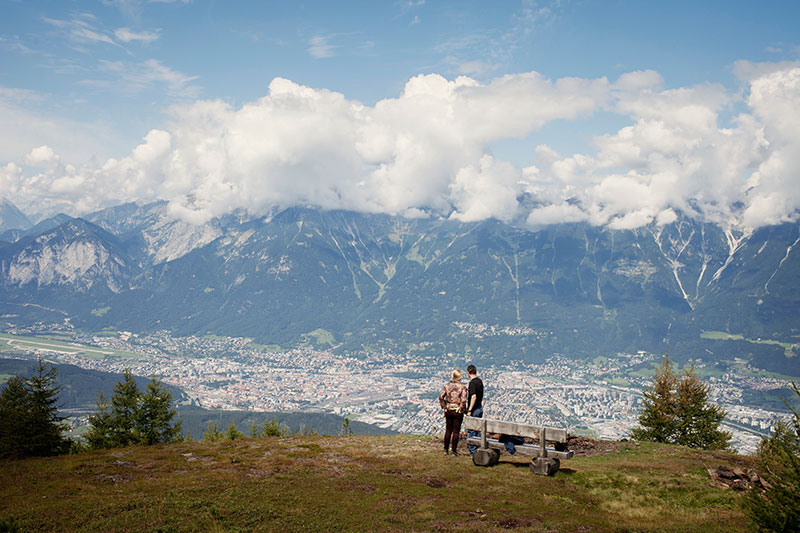
Innsbruck, the capital of Tirol, Austria spreads out in the Inn Valley where the river Inn makes a bend north, before continuing east. In the midst of the most alpine state of Austria, the city’s 130.000 inhabitants enjoy a thriving city and all year outdoor adventures. Innsbruck got it’s name from the first bridge across the river Inn, that was constructed in around 1170. A small tradingpost by the river soon grew and the town got its city status already in 1200.

Historic centre

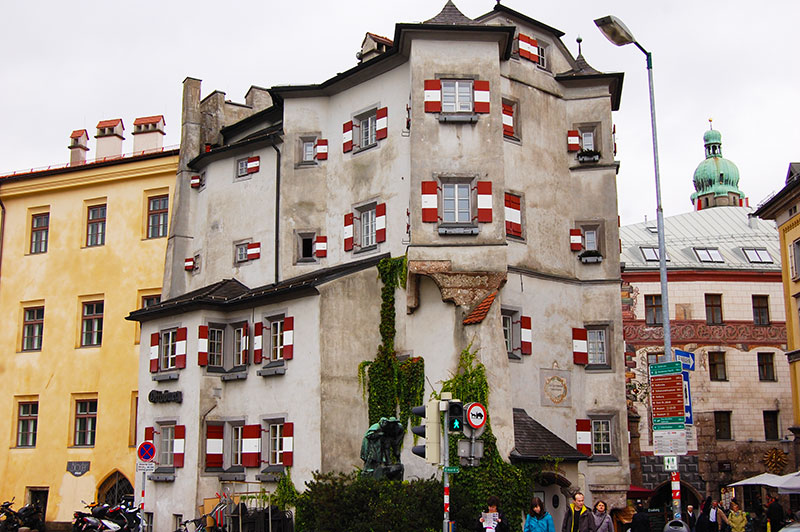
Although the city is smack in the middle of the Alps, it’s sometimes overseen as a tourist destination. Sure, arriving in Tirol in winter, most people head directly for the ski slopes. Nevertheless, it’s definitely worth a visit. The main attraction all year around is the historical centre, which is well preserved. You could easily spend 2-3 hours taking in the sites here, which are all within short walking distance. No matter the time of the year, strolling around the historical centre is a delight. The narrow lanes can be crowded at time, but if you opt for an early morning stroll, you can enjoy the sights in peace.

City views

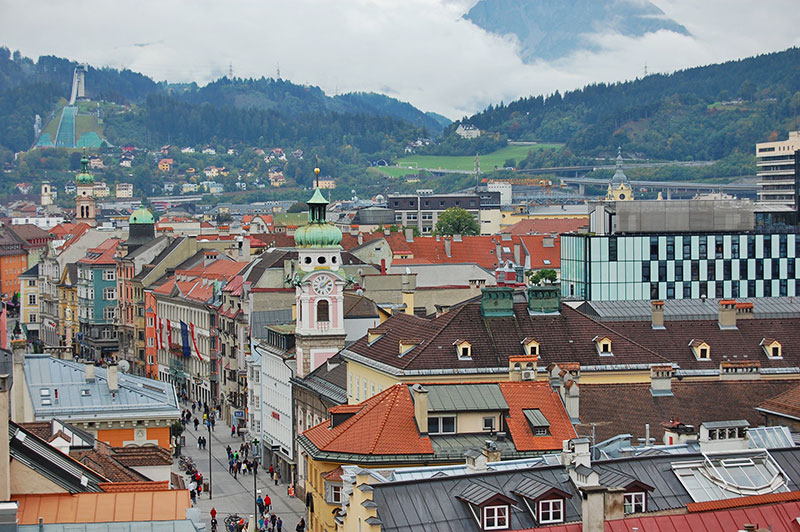
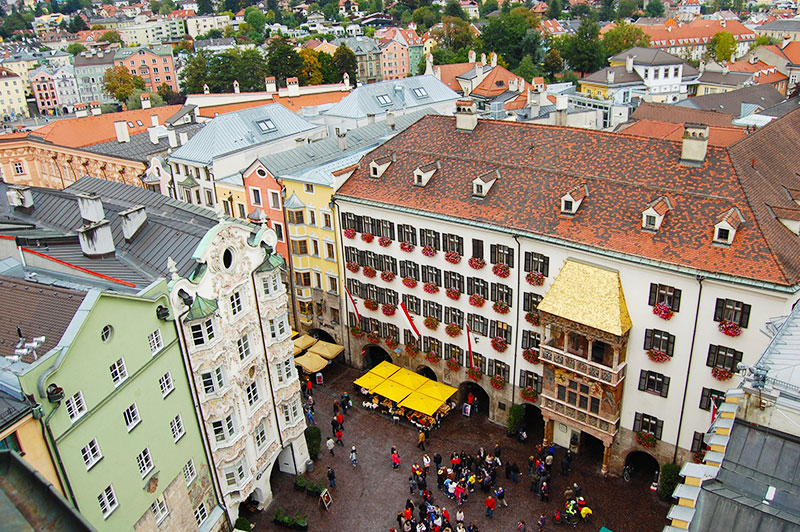
Start by getting up in the City Tower (Stadtturm) to get an overview over the city. The tower, constructed in 1450 A.D, gives you nice views of Innsbruck and the surrounding mountains. OK, you have to go up 148 stairs to reach the viewing platform, but it’s worth the effort. Since the tower is right next the old market square, you get a different impression of some of Innsbruck’s landmarks. Such as the famous Golden Roof, where the shiny appearance comes from the copper slates. The balcony with the roof was built to mark the wedding of emperor Maximillian II and Bianca Maria Sforza in 1500 A.D. The couple used the roofed balcony to watch festivals and knights tournaments.

Even though Innsbruck’s main attraction is the medieval centre, there are a few landmarks in the neighbouring streets as well. Just like Paris and Rome, Innsbruck also has a Triumphal Arch (Triumphpforte). Built in 1765 and located in Maria-Theresien-Straße, not to celebrate victory in war, but for the occasion of the wedding of Archduke Leopold to the Spanish princess, Maria Luisa.

Green retreats

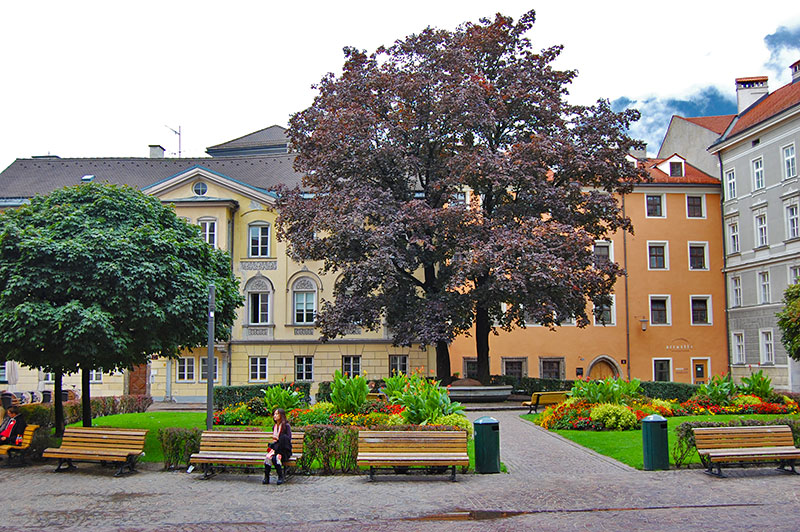
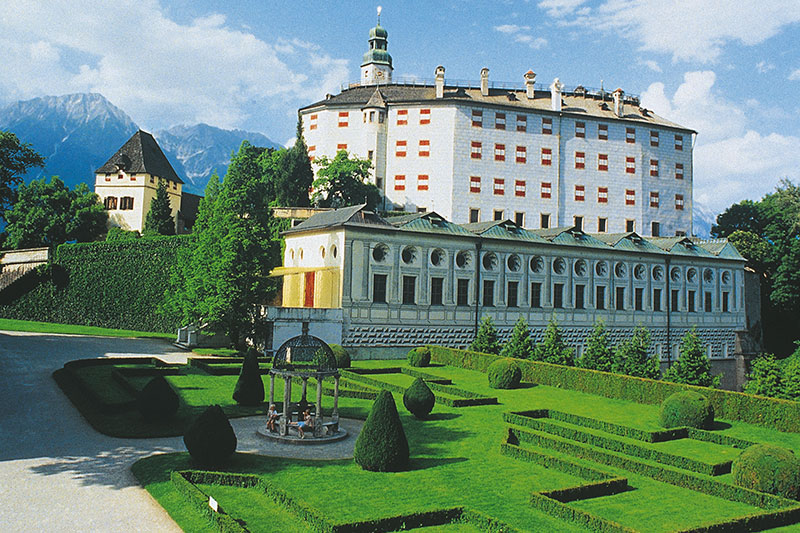
The historical centre is very popular among tourists from all around the world, and especially in summer, it can get very crowded. Nonetheless, if you need to get away from the hoards there are several opportunities. Just a few steps away from the most bustling streets of the old city we found a little park to relax, next to the Jesuit Church. Moreover, if you like hanging out in parks, you could also head for Schlosspark Ambras, which has a very nice park. Especially on hot summer days, the big trees offer shady retreats and plenty of space for the kids to play around. The kids will also probably enjoy the Alpenzoo more than some boring old houses. The Zoo houses a range of animals found in Austria and the Alps.

Advertisement

Snow wonderland

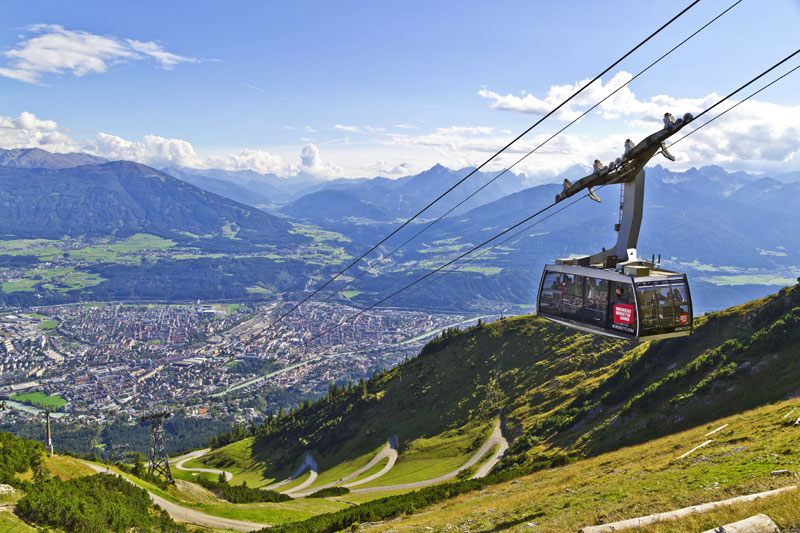
In winter, Tirol and Innsbruck is all about skiing and other snow activities. Innsbruck hosted the 1964 and 1976 Winter Olympics and the slopes are reachable by cable car from the city outskirts. There are several ski resorts very near Innsbruck. Nordkette – the mountain range just north of the city can be reached by metro from the centre and then you change to a cable car in the outskirts of Innsbruck. The Nordkette mountain range is part of Austria’s largest nature park, the Karwendel Nature Park. The Nordkettebahn runs all year and you get phenomenal views from the peak near Hafelekar cable car station  at 2,269 metres above sea level.

Hiking heaven

In summer, Innsbruck is an excellent base for hiking in the surrounding mountains. Some of the cable cars are running in the summer as well, giving easy access to the mountain ranges both north and south of the city. Right in the vincinity of the city you have the Patscherkofel Cable Car which takes you up to just short of 2000 metres above sea level, where you find numerous hiking trails. Furthermore, the view from the top is simply mesmorizing. Also worth a visit is the small but interesting alpine botanic garden Alpengarten Patscherkofel not far from the cable car station , which is run by the University of Innsbruck.

Boots off

Innsbruck is more than just a hub for outdoor activities. Get your hiking or ski boots off and head for the city centre. The city is sizeable enough to have a wide range of dining, cultural and shopping activities, catering for most tastes and wallets. The historical city centre of Innsbruck, as so many others in Austria, is a very lively place. Although most mainstream shops have moved out to one of the shopping malls, there are ample of shopping possibilities in the city centre. Thus, for a rainy day or an afternoon, the city will keep you busy with indoor activities as well.

Traveling in northern europe

Traveling in Northern Europe leaves a different impression from many other places. The beauty is often quieter: clean cities, calm public spaces, thoughtful design, open nature, and a sense of order that changes the way you experience movement and daily life.

What Stands Out

One of the first things I noticed was the balance between urban life and nature. Even in developed areas, there is often a strong feeling of openness. Water, trees, walking paths, and well-organized public transport create a rhythm that feels both modern and calm.

Design and Simplicity

Northern Europe is also memorable because of its design culture. Buildings, public spaces, and everyday objects often feel intentional rather than excessive. There is a practical elegance in the way things are arranged, and that simplicity can be surprisingly inspiring.

What Travel Teaches

Travel is not only about sightseeing. It also changes perspective. Seeing how other societies organize public life, mobility, space, and social trust can affect the way we think about our own routines and assumptions.

A Personal Reflection

For me, traveling in Northern Europe was not only enjoyable because of landscapes or architecture. It was meaningful because it encouraged a slower and more observant way of seeing. Sometimes a place stays with you not because it is loud, but because it is deeply coherent.

Final Thoughts

Northern Europe has a quiet character that grows on you. It offers a different kind of travel experience: less about spectacle, more about atmosphere, structure, and the subtle beauty of well-lived spaces.

Christmas markets in germany

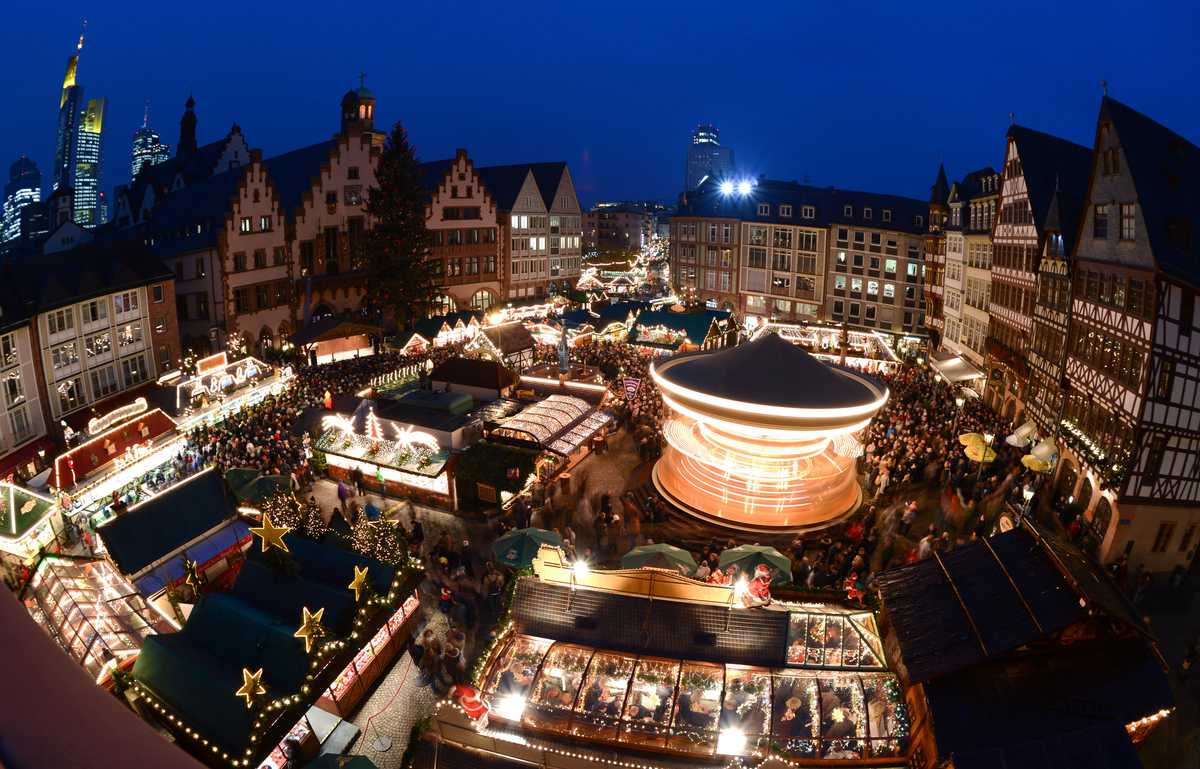
One of the most charming experiences in Germany is visiting a Christmas market. It may look simple at first: lights, warm drinks, food stalls, and small handmade gifts. But once you spend time there, you understand why many people wait for this season every year.

Why It Feels Special

A Christmas market is not only about buying things. It is a social space. Friends meet after work, families walk together in the evening, and the city feels warmer even when the weather is cold. The atmosphere is relaxed, and people slow down for a while.

What You Usually Find

  • Gluhwein: hot mulled wine that helps a lot in winter.
  • Street food: sausages, roasted nuts, potato pancakes, and sweet pastries.
  • Small handmade items: candles, decorations, ceramics, and gifts.
  • Music and lights: simple details that make the place feel festive.

Why It Matters for People Living Abroad

For someone living far from home, events like this can make a real difference. They create easy opportunities to connect with others without needing a formal plan. You do not need a big budget or a perfect schedule. You just need an evening, a warm jacket, and a few friends.

That is probably why I like this tradition. It reminds me that a good life is not built only around work and productivity. Shared experiences matter too.

A Few Practical Tips

  • Go early in the evening if you want a calmer atmosphere.
  • Bring cash, because some small stalls still prefer it.
  • Dress warmly, especially if you plan to stay for more than an hour.
  • Try local food instead of choosing the safest option every time.

Final Thoughts

The Christmas market is a small part of life in Germany, but it leaves a strong impression. It is simple, human, and full of atmosphere. For me, it is one of those experiences that makes a foreign country slowly start to feel familiar.

Where wind creates cloud waterfalls

As the sun dipped lower and lower over the lush, volcanic Canary Islands, travelling steadily onward on its inexorable collision course with the sea, ripples of anticipation resonated across our small group of stargazers. Clad in warm coats (nights on the craggy flanks of the Spanish island’s giant volcano can be blustery), we listened as astrophysicist Agustin Nunez explained why La Palma is – no exaggeration – the best place on Earth to see the stars.\

tải xuống (3)
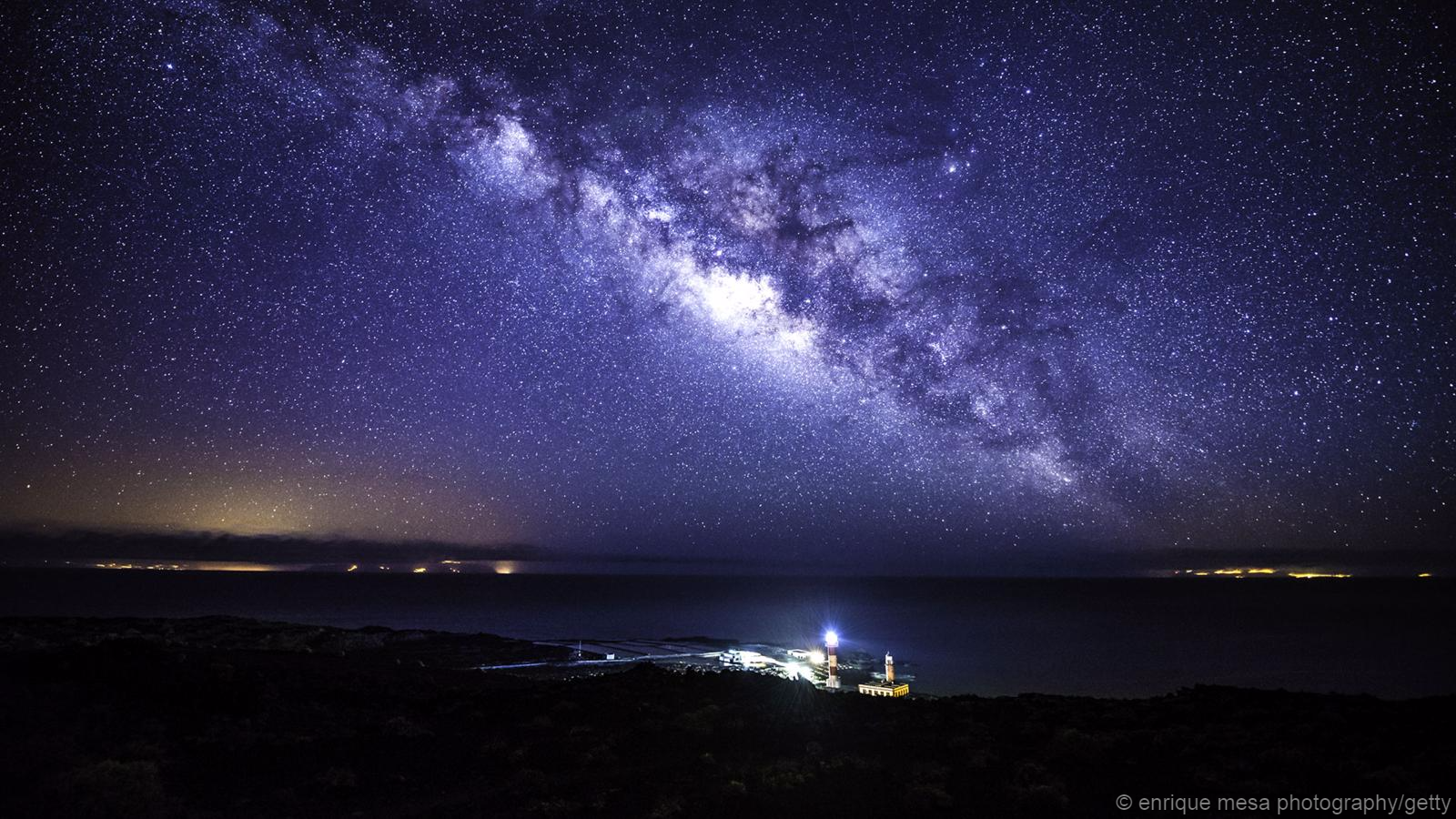
A view of the Milky Way (Credit: Enrique Mesa Photography/Getty)

First, he said, its position 100km off the coast of northern Africa means it is close to the equator, so you can see stars from both the northern and southern hemispheres – but in a temperate climate with placid weather patterns uncommon in the tropics.

Second, it’s very dark here, something that’s aided by an island-wide agreement to keep it that way, meaning all night-time lighting is either an orange hue (which doesn’t interfere with telescopes) or pointed down, at the ground.

But thirdly, and most importantly, is the wind. “Our trade winds are created by a high pressure system in the Azores, and travel more than 2,000km over the sea. When it hits our north shore, it’s crystal clear,” he said, noting that these smooth and slow winds creates an atmosphere where the stars are especially clear from the ground, both through a telescope and to the naked eye. “Here, we have the lowest turbulence on the planet.”

tải xuống (1)
Where land and clouds collide (Credit: Tim Johnson)

And all this is justly recognised: in 2012, La Palma became the world’s first Unesco recognised Starlight Reserve. The island is also home to one of the most important observatories on the planet: a place that houses 16 massive telescopes – including the largest one in the world.

It’s only recently that visitors have been able to partake in these excellent stargazing opportunities. For years, the observatory was a closed research facility, except for a handful of open days that attracted thousands of curious people. But with the observatory normalizing regular visits in 2013, the infrastructure – including a recent increase in guided starlight tours – is now in place for earthbound visitors to touch distant galaxies.

Down on terra firma, I was shown around the island by Sheila Crosby, an affable Englishwoman with a touch of the mad scientist, who worked at the Observatorio del Roque de los Muchachos for years as a software engineer. She’s also a certified starlight guide, and as she drove us somewhat erratically up and down La Palma’s winding roads, she started to explain the connections between land and sky, geology and astronomy – and how the island’s unique structure has created a number of Earth-bound wonders: for one, a cloud waterfall.