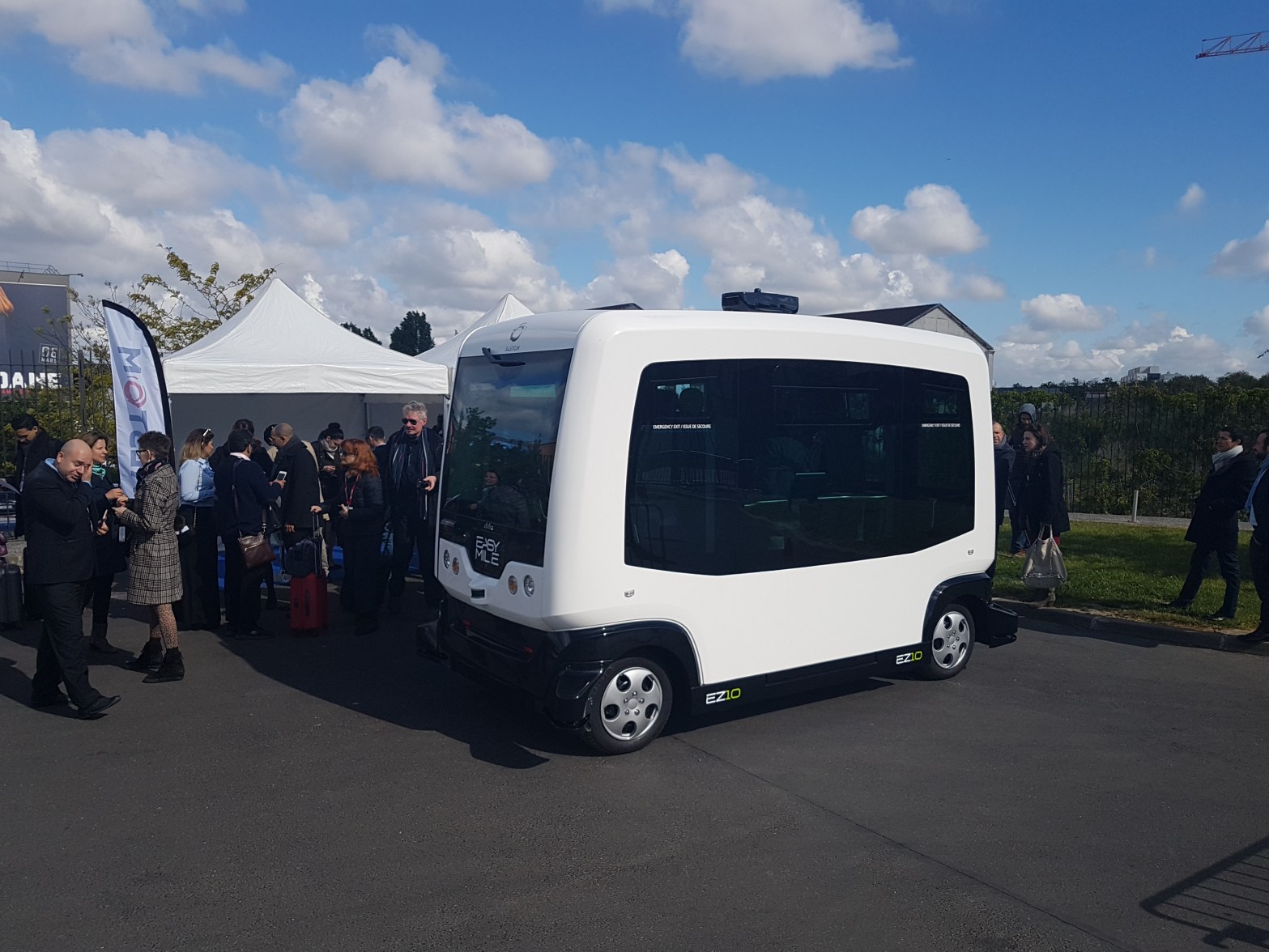
A self-driving car is not one algorithm and not one sensor. It is a layered system that combines perception, localization, prediction, planning, and control so the vehicle can understand traffic scenes and act safely in real time.
1. Perception
Perception is responsible for answering the question: What is around the car? A self-driving stack may use cameras, LiDAR, radar, ultrasonic sensors, and GPS/IMU inputs. Perception algorithms detect lanes, vehicles, pedestrians, cyclists, traffic signs, and traffic lights.
Modern systems often combine deep learning with geometric tracking. For example, a camera may detect a pedestrian while LiDAR refines shape and distance. Sensor fusion improves reliability because no single sensor is perfect in all conditions.
2. Localization
Localization answers: Where is the car? GPS alone is usually not accurate enough for lane-level autonomy, so self-driving cars often combine GNSS, IMU, wheel odometry, HD maps, and LiDAR or camera-based matching. The goal is to maintain a precise estimate of position and orientation.
3. Prediction
Other road users move unpredictably. Prediction estimates what they may do next. A vehicle ahead may brake. A pedestrian may step onto the road. A cyclist may merge into the lane. The system therefore predicts future trajectories and uncertainties, not only current positions.
4. Behavior Planning
Behavior planning decides the high-level action: keep lane, stop, yield, overtake, or change lanes. It converts traffic understanding into a driving decision that respects safety and road rules.
5. Motion Planning
Once the system knows what behavior it wants, it needs a feasible trajectory. Motion planning generates a path that is safe, smooth, and physically possible for the vehicle. It considers curvature, speed, nearby obstacles, and passenger comfort.
6. Control
The control layer converts the planned trajectory into steering, throttle, and brake commands. Controllers such as PID, MPC, or LQR help the car track the planned path while remaining stable and responsive.
A Driving Example
Imagine the car approaches a slower vehicle in the same lane:
- Perception detects the vehicle ahead and estimates distance.
- Localization places the ego car accurately on the map.
- Prediction estimates whether the other vehicle will continue straight or slow further.
- Behavior planning decides whether to follow or change lane.
- Motion planning creates a smooth and safe trajectory.
- Control executes the maneuver.
Why Building a Self-Driving Car Is Difficult
- Real traffic is uncertain and full of corner cases.
- Sensors are noisy and can fail.
- Decisions must be made in real time.
- Safety validation is extremely demanding.
Final Thoughts
The best way to understand self-driving technology is to see it as a systems engineering problem. Each module matters, but what matters most is how well the modules work together under real-world conditions.

 ACE IT SKILLS