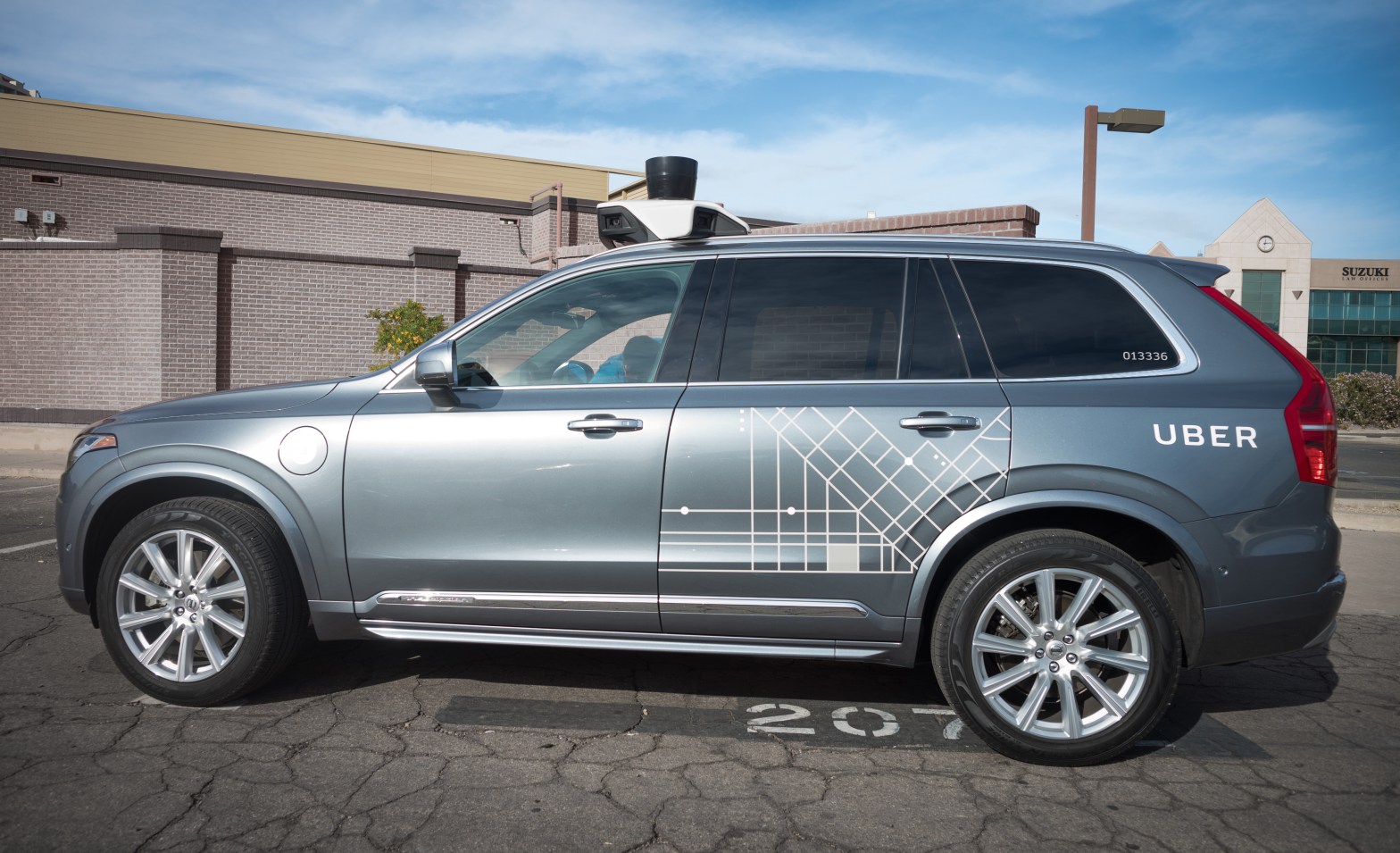
Autonomous systems do not rely on a single technology. They work because several layers of perception support each other. Computer vision extracts visual structure, deep learning helps recognize patterns and objects, and sensors provide the raw measurements needed to understand the environment.
Computer Vision vs Deep Learning
These two ideas are related, but not identical. Traditional computer vision focuses on geometry, edges, features, transformations, calibration, and image processing. Deep learning focuses on learning complex patterns from data, often through neural networks.
In practice, modern systems use both. Geometry still matters, and learned perception has become essential.
Why Sensors Matter
A camera gives rich visual data, but no single sensor is enough in all conditions. Real autonomous systems often combine:
- cameras for semantics and rich scene information,
- LiDAR for geometry and depth structure,
- radar for robustness in difficult weather,
- IMU and odometry for short-term motion tracking.
A Practical Pipeline
A perception stack in an autonomous vehicle may look like this:
- Cameras capture road scenes.
- Deep models detect lanes, vehicles, pedestrians, and signs.
- LiDAR or radar improves distance estimation and object consistency.
- Sensor fusion tracks objects over time.
- The planning stack uses this interpreted scene to make decisions.
Where Traditional Vision Still Helps
- camera calibration,
- stereo depth estimation,
- visual odometry,
- image rectification,
- pose estimation and geometry-based reasoning.
Where Deep Learning Adds Value
- object detection,
- semantic segmentation,
- lane understanding,
- driver or pedestrian behavior cues,
- end-to-end learned scene interpretation.
Final Thoughts
The strongest autonomous systems are not built by choosing between classical computer vision and deep learning. They are built by using the right combination of sensing, geometry, learning, and engineering discipline for the task at hand.


