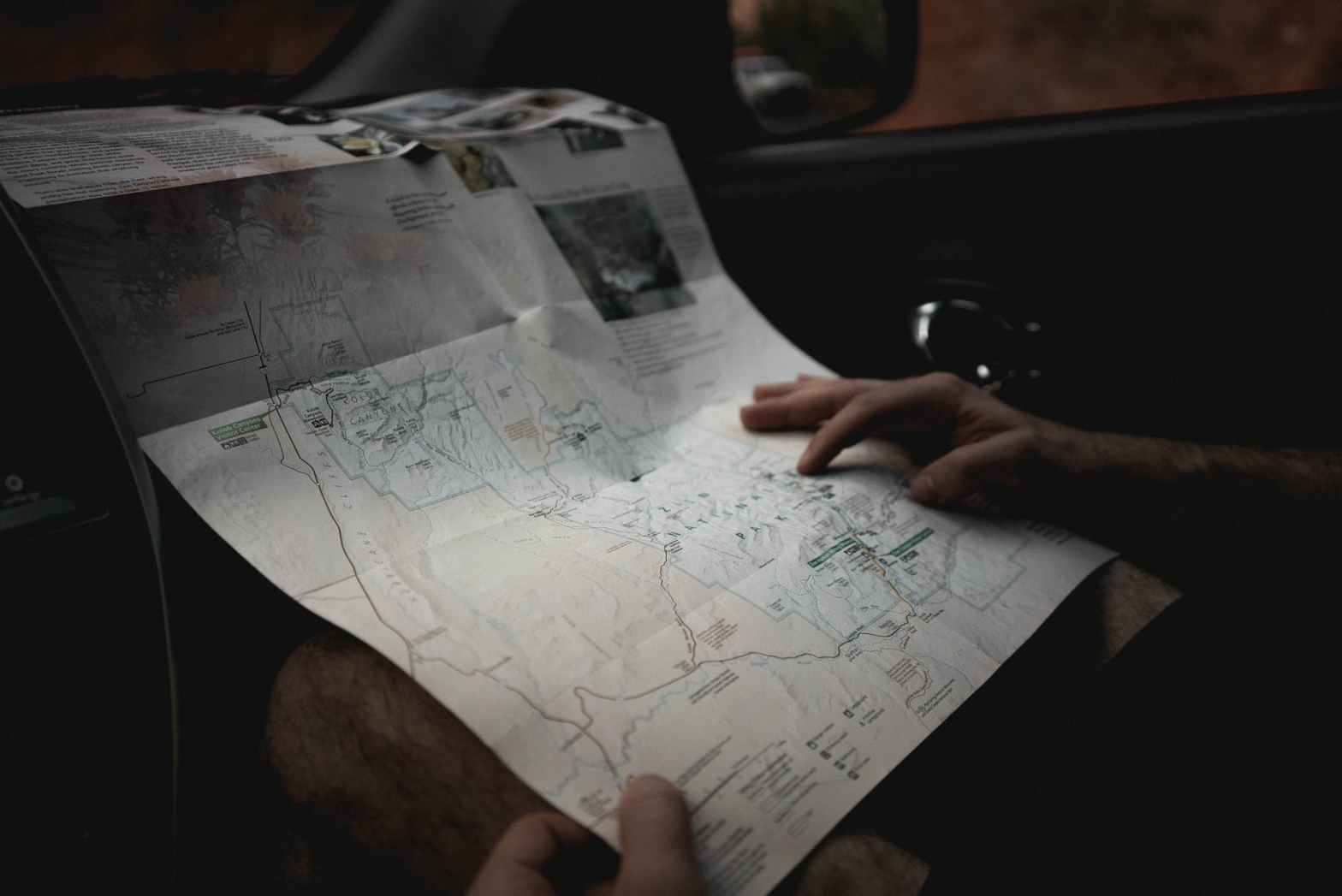
Localization is the problem of estimating where a robot or vehicle is in the world. In other words, it answers the question: Where am I?
Why localization is important
An autonomous system cannot plan a safe path if it does not know its position. Localization is therefore one of the foundation blocks of robotics and self-driving systems.
What information is usually estimated?
- Position
- Orientation
- Velocity
- Sometimes uncertainty as well
Sensors commonly used for localization
- GPS for global position outdoors
- IMU for acceleration and rotation
- Lidar for map matching
- Camera for visual odometry and landmarks
- Wheel encoders for local motion estimates
Typical localization approaches
- Dead reckoning
- Kalman Filter and Extended Kalman Filter
- Particle Filter
- Visual SLAM and lidar-based SLAM
Why localization is difficult
Real environments are noisy and dynamic. GPS may be weak, wheel encoders drift, and maps may be incomplete. Good localization systems therefore fuse multiple sensor sources instead of relying on only one.
Final thoughts
Localization is one of the most important concepts in robotics because nearly every higher-level behavior depends on having a reliable estimate of the current pose.


