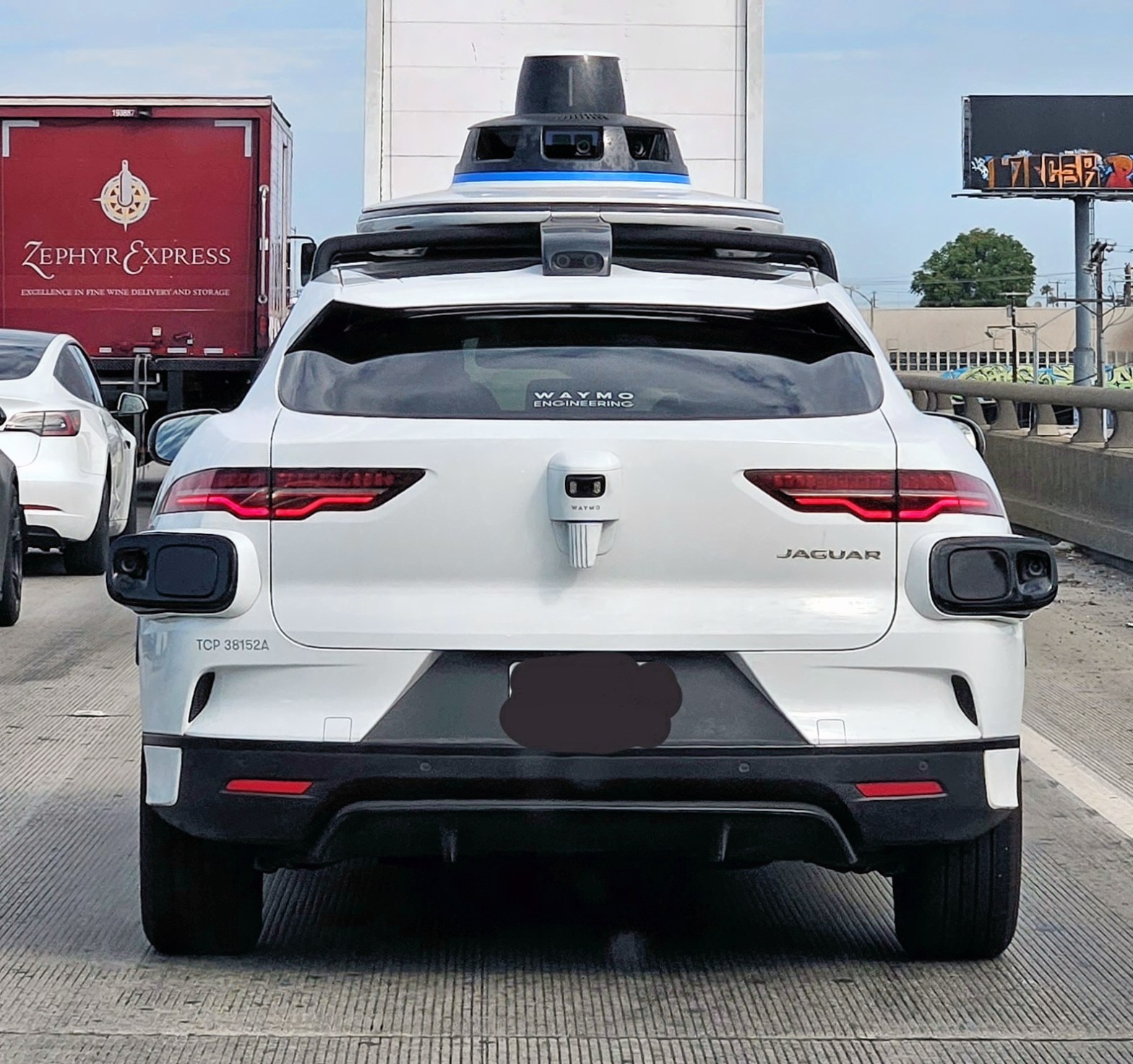
Prediction is the part of an autonomous driving system that estimates what other road users are likely to do next. That includes vehicles, pedestrians, cyclists, and sometimes even the expected movement of groups in crowded scenes.
Why Prediction Matters
A self-driving car cannot plan safely if it only knows the current position of nearby objects. It also needs to estimate future motion. A car in the next lane may merge. A pedestrian may start crossing. A bicycle may move around a parked vehicle.
Inputs to Prediction
- current position, velocity, and heading of tracked objects,
- lane geometry and map context,
- traffic rules,
- and recent motion history.
A Simple Example
If another vehicle is moving at 12 m/s in the same lane and the distance to the ego vehicle is shrinking, the planner may need to slow down or prepare a lane change. A basic constant-velocity model can already be useful for short horizons:
future_position = current_position + velocity * timeThat model is simple, but real traffic often requires richer predictions.
Common Prediction Approaches
- Physics-based models: constant velocity or constant acceleration.
- Map-based prediction: constrain possible future paths to lanes and intersections.
- Multi-modal prediction: estimate several likely futures, such as go straight, slow down, or turn.
- Learning-based models: use trajectory history and scene context to forecast motion.
Challenges
- Human behavior is uncertain.
- Some actions are rare but safety-critical.
- Predictions must be fast enough for real-time planning.
- The system needs confidence estimates, not only one guessed future.
Final Thoughts
Prediction is a bridge between perception and planning. It helps a vehicle move from knowing what is happening now to preparing for what may happen next. That makes it one of the most important components in safe autonomous driving.

 ACE IT SKILLS